Transform Outdoor Spaces with Professional Landscaping
Revolutionize Your Outdoor Setting: Professional Landscaping Guidance for an Exceptional Home Garden
Converting an exterior environment into a beautiful residential landscape involves strategic planning and thoughtful implementation. By examining the unique features of a outdoor area, individuals can establish specific landscaping goals. Selecting vegetation suited to the regional weather is crucial. Moreover, integrating functional landscape features strengthens both beauty and usability. Still, the experience won't end at that point. Learning to sustain vibrancy and sustainability can elevate any landscape to the next level. Which tactics drive successful long-term results?
Analyze Your Yard to Set Your Landscape Design Goals
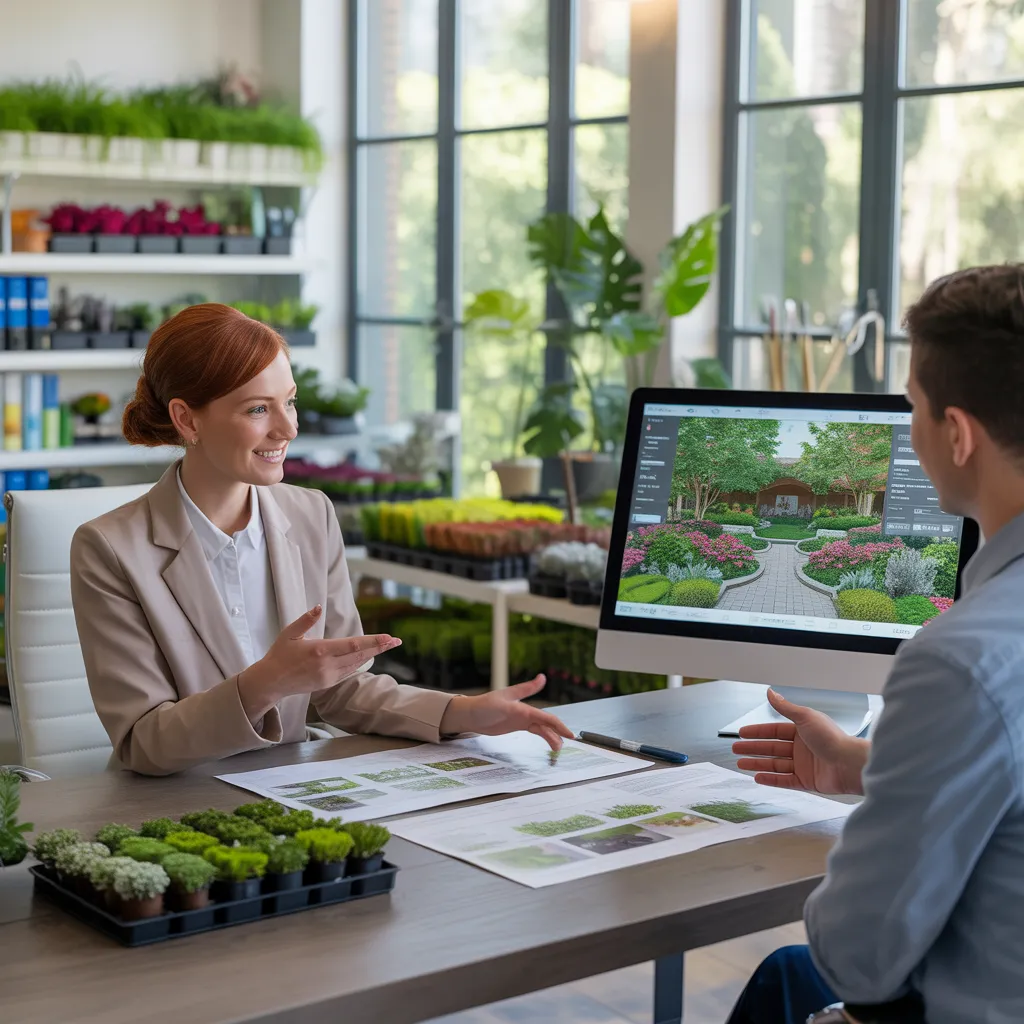
Before beginning any landscaping effort, it is essential for residents to completely evaluate their exterior area. This preliminary assessment allows them to understand the unique features of their yard, such as sun conditions, soil composition, and current vegetation. Finding these elements supports in choosing what varieties of landscape elements can be effectively incorporated into the space.
Homeowners should document measurements and note any barriers including vegetation, barriers, or walkways that could influence the design. Additionally, recognizing individual tastes and lifestyle needs—including areas for entertainment, plant cultivation, or leisure—can direct the garden objectives. By specifically establishing these aims, homeowners set a strong base for a unified and practical exterior area. This thoughtful evaluation results in a greater and satisfying landscaping project, guaranteeing the outdoor space enhances not only the property's visual appeal but furthermore meets the functional requirements of its inhabitants.
Pick the Ideal Plants for Your Area's Weather
Choosing the right plants for a particular region is essential for establishing a thriving outdoor space. Understanding local weather patterns, such as temperature ranges, precipitation, and humidity, enables homeowners choose plants that will flourish. Indigenous vegetation often adapt best, needing minimal upkeep and irrigation. For example, drought-resistant varieties are perfect for dry climates, whereas water-preferring plants flourish in humid climates.
Gardeners should additionally consider climate variations; choosing plants that provide year-round interest enhances the landscape. Spring-flowering plants, warm-season vegetation, and colorful autumn leaves can produce a striking visual display. Additionally, consulting local gardening centers or horticultural resources can provide helpful information into hardy plant varieties adapted for particular environments.
Finally, a well-planned vegetation arrangement enhances not just beauty but also supports native fauna and advances environmental sustainability, which makes it a smart decision for any exterior area renovation.
Transform Your Garden With Decorative Structural Components
Functional hardscaping elements act as vital components in shaping exterior areas and enhancing their usability. By incorporating seating areas and professionally planned walkways, homeowners can create welcoming outdoor settings that encourage relaxation and movement. Additionally, borders can help delineate different zones within the garden, contributing organization and visual interest.
Establish Your Garden Setting
Creating a well-defined outdoor space can transform a garden into an welcoming sanctuary. One proven method to achieve this is through functional hardscaping elements, which establish structure and layout. Walkways made from stone or brick guide guests while adding visual interest. Retaining walls can create tiered levels, improving the landscape's appearance and preventing soil erosion. Barriers or lattices can delineate boundaries, providing privacy and a feeling of containment. Incorporating raised garden beds not only defines planting areas but also makes them more accessible. These elements work harmoniously to create distinct zones that improve both visual appeal and practicality. Ultimately, a well-defined outdoor space fosters a serene environment where homeowners can relax and enjoy nature.
Add Seating Zones
Incorporating sitting zones into an outdoor space greatly improves its functionality and visual interest. By adding practical hardscape features, homeowners can establish welcoming areas for rest, gathering, or appreciating the outdoors. Choices range from seating, outdoor furniture, or suspended seats, each adding to the landscape's visual charm and comfort. Carefully positioning chairs near prominent areas like plantings or decorative pools, encourages users to engage with their surroundings. Additionally, selecting materials such as natural wood or stone can enhance the landscape's appearance, ensuring a cohesive look. Shade structures, such as covered structures or shades, provide comfort during hot weather, making these areas usable year-round. Ultimately, well-designed seating areas reimagine a basic yard into a welcoming retreat for family and friends.
Add Walkways And Edges
Pathways and borders are key components in landscape development, navigating visitors across your garden while strengthening its foundational quality. These establish order and movement, helping distinguish multiple spaces and planting options. Stone, gravel, or brick materials can build durable pathways, whereas natural borders from landscaping or ornamental screens increase aesthetic quality. Pathways can encourage discovery, highlighting focal points such as garden beds or water features. Well-designed borders prevent unwanted vegetation and landscape degradation, enhancing garden vitality. In summary, adding pathways and borders enhances usefulness and enhances stylistic beauty to your garden setting, making spaces more attractive and rewarding.
Design Flow Through Pathways and Rest Areas
A thoughtfully designed exterior area regularly showcases a cohesive circulation created through strategically arranged pathways and rest areas. Pathways lead people throughout the garden, developing a strong sense of navigation while improving the aesthetic appeal. Applying selections including gravel, stone, or wood can improve the path's beauty and support durability.
Sitting spaces create pause areas, inviting guests to sit and value the surroundings. Positioning seating strategically beside focal features, like a waterfall or a flower display, promotes involvement with the garden. Your seating preference—benches, chairs, or even lounges—influences the vibe, whether casual or sophisticated.
Adding walkways and rest areas develops a welcoming setting, boosting functionality and pleasure. Combined, they establish a smooth transition among various zones of the garden, encouraging discovery and calm, eventually turning any exterior area into a peaceful sanctuary.
Enrich Your Outdoor Space With Seasonal Shades and Character
To strengthen the visual attractiveness of a landscape, deliberate curation of seasonal plantings is essential. Blending diverse textural characteristics can introduce layers and fascination, meanwhile deliberately arranged focal areas can command views and forge a balanced plan. Each feature together ensure a vibrant and dynamic garden environment during the entire year.
Select Seasonal Plants with Consideration
Selecting season-appropriate plants wisely can turn your garden into a magnificent tapestry of colors and textures. By picking plants that bloom at different times throughout the year, gardeners can guarantee a continuous display of beauty. Spring bulbs, summer annuals, fall-flowering perennials, and evergreen winter specimens each deliver unique color palettes and structures to the landscape. It is essential to take into account local climate conditions and soil types, as well as the plants' growth habits. Native species often succeed with less maintenance effort, enhancing biodiversity. Additionally, pairing plants with different heights and seasonal blooms can create a dynamic visual effect. Ultimately, careful consideration fosters a garden that evolves with the seasons, offering a delightful experience year-round.
Create Textured Layers For Depth
Establishing depth in a garden involves layering textures that complement and enhance seasonal color. By integrating diverse plant species with different leaf patterns, heights, and color schemes, one can achieve a visually dynamic landscape. For instance, blending large-leaved plants with soft grasses can generate visual contrast and fascination. Additionally, integrating bark, stones, and other natural materials brings in textural qualities that enhance the complete garden experience. Seasonal blooms ought to be carefully arranged to offer color bursts across seasons, ensuring that each layer remains visually interesting. This deliberate composition not only moves your gaze throughout the space but also develops an absorbing environment where each element reinforces the garden's beauty and equilibrium.
Position Focal Points Strategically
Strategically incorporating key visual elements can significantly improve a garden's visual beauty and seasonal color. These key elements serve as anchors that draw the eye and create a cohesive design. Gardeners can use elements such as sculptures, ornamental trees, or vibrant flower beds to establish visual interest. Flowering displays can be infused through the thoughtful choice of plants with varied bloom periods, ensuring that the garden remains dynamic throughout the year. Texture variations also matter greatly; mixing sleek pathways with textured bark or verdant leaves creates dimension. By thoughtfully placing these elements, a gardener can create an inviting atmosphere that encourages exploration and appreciation, transforming an outdoor space into an engaging retreat.
Adopt Eco-Friendly Methods for a Thriving Garden
Adopting eco-friendly approaches is necessary for nurturing a flourishing garden that thrives in alignment with the environment. Horticulturists are advised helpful information to apply naturally-occurring vegetation, which require less irrigation and attention while enhancing area animals. Implementing chemical-free growing methods, including nutrient recycling and natural pest solutions, can substantially minimize chemical inputs, promoting a more robust environment.
Water conservation approaches, including precision irrigation and rainwater harvesting, enhance environmental responsibility by optimizing resource use. Applying mulch maintains moisture while also suppresses weeds, decreasing the requirement for weed killers. Additionally, fostering biological diversity by integrating varied vegetation promotes resilience against pests as well as infections.
Soil quality is critical; practices such as crop rotation and protective cropping maintain nutrient balance without synthetic fertilizers. By utilizing such eco-friendly approaches, growing enthusiasts can develop a flourishing garden supporting plant life and environmental health, resulting in an enhanced horticultural experience.
Manage Common Problems for Year-Round Landscape Beauty
A carefully-tended outdoor space can encounter multiple obstacles across seasons, impacting its total aesthetics as well as vigor. Frequent challenges consist of insect problems, nutrient shortages, along with insufficient water. Detecting pests quickly is critical; plant growers should regularly review foliage for signs of damage and handle pest outbreaks applying natural pesticides or instead adding natural predators.
Insufficient nutrients often manifest as discolored leaves or stunted growth. Doing soil analysis can help pin down specific needs, making possible to enable focused fertilization Nutrient shortages commonly show as yellow foliage along with reduced growth. Conducting soil tests can assist pin down individual necessities, allowing precise fertilization re-establishing harmony. Furthermore, maintaining adequate water supply is important; over-irrigation can cause root damage, while underwatering stresses vegetation.
Changes in seasons moreover require adjustments in plant care. In winter, using mulch safeguards root systems against cold, whereas summer might require more water as well as shaded areas to protect tender plants. By addressing such frequent challenges promptly
Should I Undertake Landscaping on My Own or Employ a Landscaper?
One can certainly undertake garden work independently, leveraging online resources and creativity. However, engaging an expert guarantees skill, speed, and enhanced results, especially for complex designs or substantial jobs that require advanced techniques.
Which Implements Are Necessary for Home Landscaping?
Important tools for home garden work consist of a leaf rake, garden shovel, shovel, trimming shears, garden cultivator, and a hose or sprinkler can. These tools help in successfully caring for soil, garden plants, and comprehensive garden care, providing effective landscaping.
What's the Most Effective Approach to Keep My Yard Across the Growing Season?
For caring for a landscape year-round, you should frequently shape vegetation, use wood mulch for temperature control, monitor moisture levels, and apply seasonal planting methods. In addition, pest control and soil fertilization are essential for flourishing, vibrant plants.